Jetstar's proposed carry-on baggage changes raise accessibility concerns
Jetstar's announcement (Wednesday, 5 August 2026) that it plans to introduce charges for overhead carry-on luggage has sparked widespread discussion about affordability, convenience and the impact on travellers. While much of the public debate has focused on additional costs and changes to the flying experience, the implications for people with disability (PwD) and those with chronic health conditions have received far less attention.
For many people with disability, carry-on baggage is not simply a matter of convenience—it often contains essential medications, medical equipment, assistive technology and other items that must remain with the traveller throughout their journey. Any changes to baggage policies therefore need to be carefully considered to ensure they do not create additional barriers or inequity in air travel and uphold the rights of people with disability.
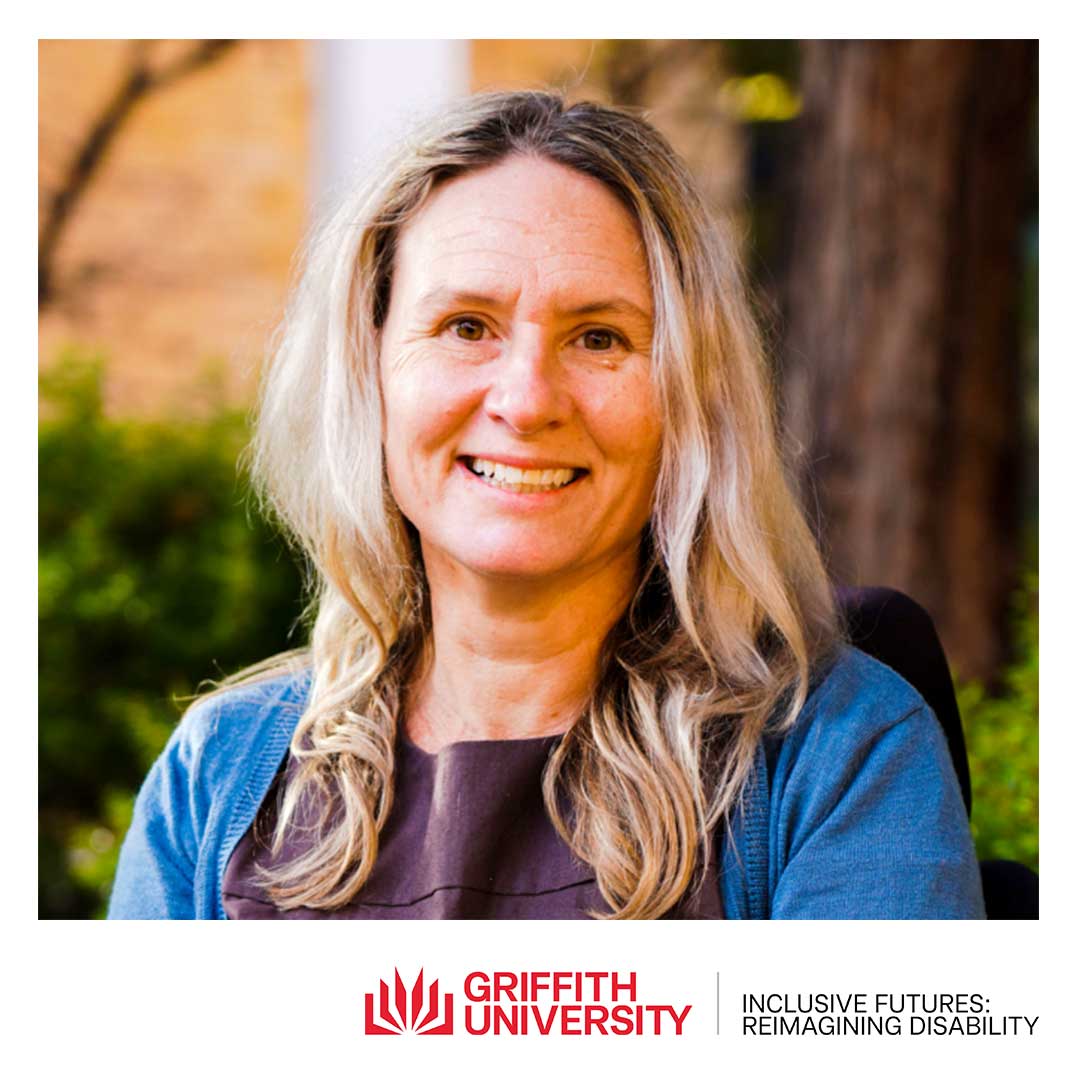
Associate Professor Lisa Stafford, ARC Future Fellow in Transport Equality with Inclusive Futures: Reimagining Disability at Griffith University, joined ABC Melbourne's The Conversation Hour to discuss the accessibility implications of Jetstar's proposed changes and why meaningful engagement with people with disability is essential before implementing new changes.
What are your thoughts? We'd love to hear from people with disability, carers, advocates, transport providers and the broader community about these proposed charges and changes to carry-on. Share your experiences and ideas in the comments—what should accessible and inclusive air travel look like?
Leave your comments on our LinkedIn article or email A/Prof. Lisa Stafford directly.
Find out more about Associate Professor Lisa Stafford, her research and advocacy: https://experts.griffith.edu.au/31709-lisa-stafford/professional
Find out more about the Transport Equity for All – Research Project: https://inclusivefutures.griffith.edu.au/hub-page/transport-equity-for-all
More information:
A/Prof. Lisa Stafford
Lead Researcher
ARC Future Fellow
Griffith University
774 ABC MELBOURNE | THE CONVERSATION HOUR
Presented by: Mary Gearin
Guest: Associate Professor Lisa Stafford, ARC future Fellow in Transport Equality, Inclusive Futures: Reimagining Disability, Griffith University
Listen: https://www.abc.net.au/listen/programs/theconversationhour/the-conversation-hour/106986604
TRANSCRIPT:
Mary: Now there is inconvenience and cost, but also when it comes to people with accessibility issues that’s pretty serious. We've got Associate Professor Lisa Stafford on the line, ARC Future Fellow in Transport Equity with Inclusive Futures at Griffith University. Lisa, thank you so much for joining us. Chris Cipone was saying we're not exactly sure what it means for people for instance with medical needs. What's do you think from your reading of Jetstar's changes?
Associate Professor Lisa Stafford: Thanks so much, Mary, for opening up this conversation about these implications, and we have been caught out.
When I saw Jetstar's media release, my first thought was: Have they actually engaged with people with disability and the chronic illness communities to understand what these impacts are?
While yes, the Aviation White Paper puts some protections in place, they still haven’t come into play. There is still a lot that needs to be thought through, because carry-on baggage isn't a luxury, carryon bags have some really important essential items for many of us. I think we can all relate to putting our medications on board, health equipment, a change of clothes—all of these things are really critically important, but for people with disability they are essential. What does that look like, how are they even going to manage when the process we know is already so complicated for people with a disability.
Mary: That's what I was going to say, it’s a bit of a straw and camel’s back situation already. How difficult is it to have accessibility catered for in Australian airlines?
Lisa Stafford: The Disability Royal Commission in Nov 2022 held a specific workshop on air travel because of the significant reported lived experience of discrimination people with disability face.
It’s such a complicated journey, from trying to book your tickets, having to be there well ahead of check in, boarding before everyone else, you have to sit on board, and have to wait for everyone to get off, and hopefully they will turn up. It’s such a complex process already.
And I just think, how will Jetstar ensure that they are not adding financial, time and emotional load burden, which we already know exists for people with a disability with this process, because it is real.
They mention a small backpack, laptop and handbag is allowed underneath, but what does that look like and then you think about the staff, and how are they going to manage that. If you already go to a different airport, it’s a different experience, and regional areas alone, that’s further impact for regions, so I can imagine how that is managed, knowing that I fly regional. So, there is all these complications.
I think personally even, I use a power wheelchair myself and I have to take my batteries onboard and while that is not charged, at the moment, my batteries are long, they have to come onboard and can’t go underneath, they’re 55cm’s, I have to have a 60 centimetre bag and now under their rules my bag is not even allowed to go on, even if I wanted to pay.
For access, as Chris mentioned, and put this really well, we are paying for access, but the inequality this is actually going to present for so many people.
And I just feel like Jetstar haven’t read the room here, like when we think about already the significant cost-of-living pressure people are experiencing, this is another cost burden on people when they haven’t reduced the ticket price have they.
Mary: Well, that's right, they’re saying it’s keeping them low. Lisa, I want to dig into this topic more but thank you so much for being here this morning, I think we should take a wider look at the sector as well. Thank you!
Lisa Stafford: Thanks so much, Mary. Much appreciated thanks Mary.
Lisa Stafford's key messages were:
- Carry-on luggage contains essential items, including medication, for many travellers.
- Existing barriers to accessible air travel are already significant, as highlighted during the Disability Royal Commission.
- The proposed changes risk increasing financial, time and emotional burdens on people with disability.
- Introducing additional costs during a cost-of-living crisis is also concerning.
- Any changes need to protect the rights of people with disability.
- Jetstar should work with people with disability and chronic illness communities to ensure these changes don't create further inequity and barriers to air travel.

Thank you for your contribution!
Help us reach out to more people in the community
Share this with family and friends