Articles
Category People with Disability Show all
-
Jetstar's proposed carry-on baggage changes raise accessibility concerns
Share Jetstar's proposed carry-on baggage changes raise accessibility concerns on Facebook Share Jetstar's proposed carry-on baggage changes raise accessibility concerns on X (formerly Twitter) Share Jetstar's proposed carry-on baggage changes raise accessibility concerns on Linkedin Email Jetstar's proposed carry-on baggage changes raise accessibility concerns link
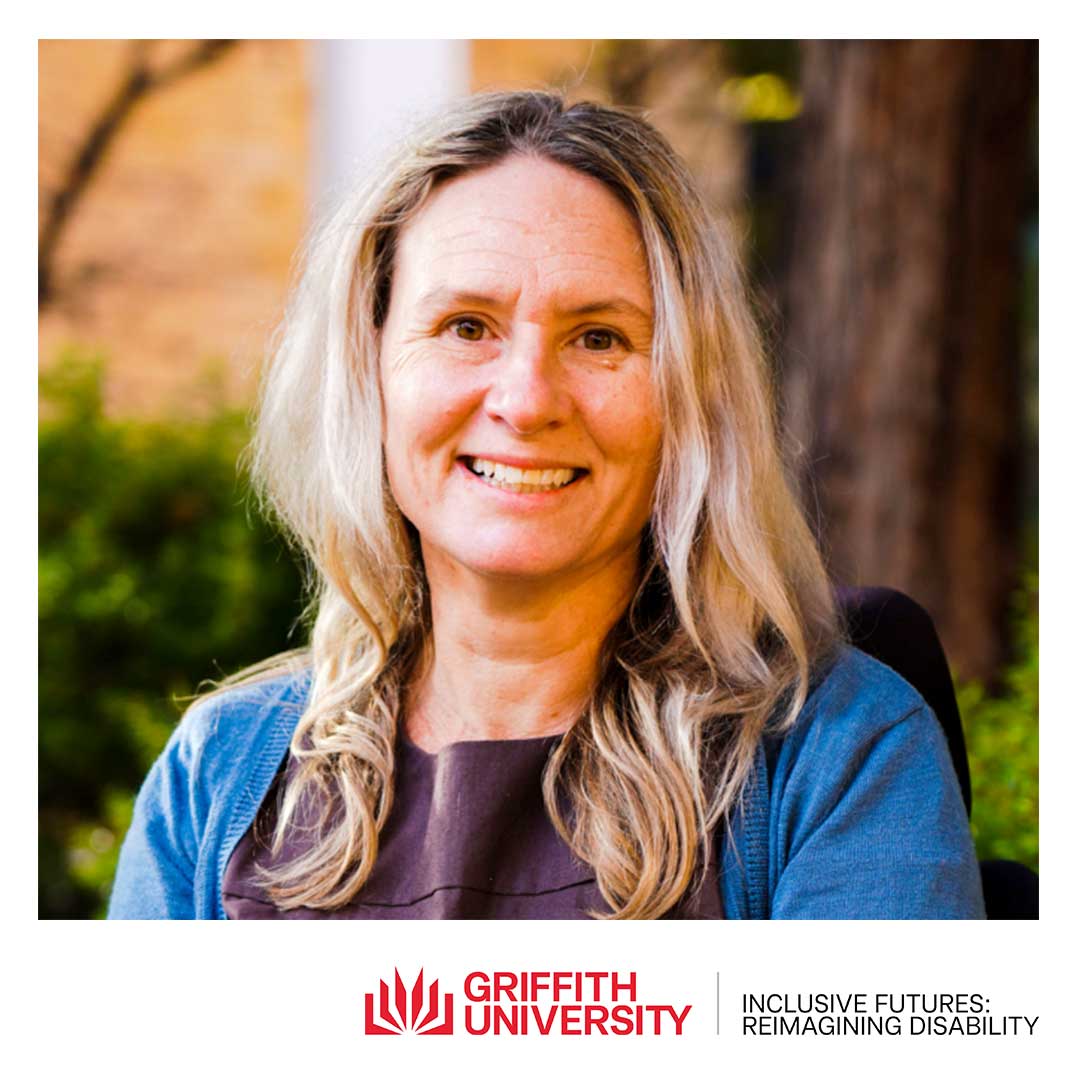
Jetstar's announcement (Wednesday, 5 August 2026) that it plans to introduce charges for overhead carry-on luggage has sparked widespread discussion about affordability, convenience and the impact on travellers. While much of the public debate has focused on additional costs and changes to the flying experience, the implications for people with disability (PwD) and those with chronic health conditions have received far less attention.
For many people with disability, carry-on baggage is not simply a matter of convenience—it often contains essential medications, medical equipment, assistive technology and other items that must remain with the traveller throughout their journey. Any changes toContinue reading
Jetstar's announcement (Wednesday, 5 August 2026) that it plans to introduce charges for overhead carry-on luggage has sparked widespread discussion about affordability, convenience and the impact on travellers. While much of the public debate has focused on additional costs and changes to the flying experience, the implications for people with disability (PwD) and those with chronic health conditions have received far less attention.
For many people with disability, carry-on baggage is not simply a matter of convenience—it often contains essential medications, medical equipment, assistive technology and other items that must remain with the traveller throughout their journey. Any changes to baggage policies therefore need to be carefully considered to ensure they do not create additional barriers or inequity in air travel and uphold the rights of people with disability.
Associate Professor Lisa Stafford, ARC Future Fellow in Transport Equality with Inclusive Futures: Reimagining Disability at Griffith University, joined ABC Melbourne's The Conversation Hour to discuss the accessibility implications of Jetstar's proposed changes and why meaningful engagement with people with disability is essential before implementing new changes.
What are your thoughts? We'd love to hear from people with disability, carers, advocates, transport providers and the broader community about these proposed charges and changes to carry-on. Share your experiences and ideas in the comments—what should accessible and inclusive air travel look like?
Leave your comments on our LinkedIn article or email A/Prof. Lisa Stafford directly.
Find out more about Associate Professor Lisa Stafford, her research and advocacy: https://experts.griffith.edu.au/31709-lisa-stafford/professional
Find out more about the Transport Equity for All – Research Project: https://inclusivefutures.griffith.edu.au/hub-page/transport-equity-for-allMore information:
A/Prof. Lisa Stafford
Lead Researcher
ARC Future Fellow
Griffith University774 ABC MELBOURNE | THE CONVERSATION HOUR
Presented by: Mary Gearin
Guest: Associate Professor Lisa Stafford, ARC future Fellow in Transport Equality, Inclusive Futures: Reimagining Disability, Griffith University
Listen: https://www.abc.net.au/listen/programs/theconversationhour/the-conversation-hour/106986604
TRANSCRIPT:
Mary: Now there is inconvenience and cost, but also when it comes to people with accessibility issues that’s pretty serious. We've got Associate Professor Lisa Stafford on the line, ARC Future Fellow in Transport Equity with Inclusive Futures at Griffith University. Lisa, thank you so much for joining us. Chris Cipone was saying we're not exactly sure what it means for people for instance with medical needs. What's do you think from your reading of Jetstar's changes?Associate Professor Lisa Stafford: Thanks so much, Mary, for opening up this conversation about these implications, and we have been caught out.
When I saw Jetstar's media release, my first thought was: Have they actually engaged with people with disability and the chronic illness communities to understand what these impacts are?
While yes, the Aviation White Paper puts some protections in place, they still haven’t come into play. There is still a lot that needs to be thought through, because carry-on baggage isn't a luxury, carryon bags have some really important essential items for many of us. I think we can all relate to putting our medications on board, health equipment, a change of clothes—all of these things are really critically important, but for people with disability they are essential. What does that look like, how are they even going to manage when the process we know is already so complicated for people with a disability.
Mary: That's what I was going to say, it’s a bit of a straw and camel’s back situation already. How difficult is it to have accessibility catered for in Australian airlines?
Lisa Stafford: The Disability Royal Commission in Nov 2022 held a specific workshop on air travel because of the significant reported lived experience of discrimination people with disability face.
It’s such a complicated journey, from trying to book your tickets, having to be there well ahead of check in, boarding before everyone else, you have to sit on board, and have to wait for everyone to get off, and hopefully they will turn up. It’s such a complex process already.
And I just think, how will Jetstar ensure that they are not adding financial, time and emotional load burden, which we already know exists for people with a disability with this process, because it is real.
They mention a small backpack, laptop and handbag is allowed underneath, but what does that look like and then you think about the staff, and how are they going to manage that. If you already go to a different airport, it’s a different experience, and regional areas alone, that’s further impact for regions, so I can imagine how that is managed, knowing that I fly regional. So, there is all these complications.
I think personally even, I use a power wheelchair myself and I have to take my batteries onboard and while that is not charged, at the moment, my batteries are long, they have to come onboard and can’t go underneath, they’re 55cm’s, I have to have a 60 centimetre bag and now under their rules my bag is not even allowed to go on, even if I wanted to pay.
For access, as Chris mentioned, and put this really well, we are paying for access, but the inequality this is actually going to present for so many people.
And I just feel like Jetstar haven’t read the room here, like when we think about already the significant cost-of-living pressure people are experiencing, this is another cost burden on people when they haven’t reduced the ticket price have they.
Mary: Well, that's right, they’re saying it’s keeping them low. Lisa, I want to dig into this topic more but thank you so much for being here this morning, I think we should take a wider look at the sector as well. Thank you!
Lisa Stafford: Thanks so much, Mary. Much appreciated thanks Mary.
Lisa Stafford's key messages were:
- Carry-on luggage contains essential items, including medication, for many travellers.
- Existing barriers to accessible air travel are already significant, as highlighted during the Disability Royal Commission.
- The proposed changes risk increasing financial, time and emotional burdens on people with disability.
- Introducing additional costs during a cost-of-living crisis is also concerning.
- Any changes need to protect the rights of people with disability.
- Jetstar should work with people with disability and chronic illness communities to ensure these changes don't create further inequity and barriers to air travel.
-
ARMS: Strategies for Accessible and Inclusive Research Development Workshops
Share ARMS: Strategies for Accessible and Inclusive Research Development Workshops on Facebook Share ARMS: Strategies for Accessible and Inclusive Research Development Workshops on X (formerly Twitter) Share ARMS: Strategies for Accessible and Inclusive Research Development Workshops on Linkedin Email ARMS: Strategies for Accessible and Inclusive Research Development Workshops link
Dr Maretta Mann (Griffith University) and Dr Noni Creasey (University of Queensland) at the ARMS Annual Convention.Last week, Inclusive Futures team member Dr Maretta Mann, together with Dr Noni Creasey from the University of Queensland (UQ), presented “Disability Inclusive Research Management” at the Australasian Research Management Society (ARMS) annual convention in Darwin (#ARMS24).
The presentation gave an overview of disability in Australia, and introduced the terms accessibility, inclusion and belonging in the context of a research organisation.
The presenters shared some practical strategies for including people with disability in research development activities. The benefits for inclusive research managementContinue reading
Dr Maretta Mann (Griffith University) and Dr Noni Creasey (University of Queensland) at the ARMS Annual Convention.Last week, Inclusive Futures team member Dr Maretta Mann, together with Dr Noni Creasey from the University of Queensland (UQ), presented “Disability Inclusive Research Management” at the Australasian Research Management Society (ARMS) annual convention in Darwin (#ARMS24).
The presentation gave an overview of disability in Australia, and introduced the terms accessibility, inclusion and belonging in the context of a research organisation.
The presenters shared some practical strategies for including people with disability in research development activities. The benefits for inclusive research management range from supporting pathways for academics in your own research institution to contributions to a more equitable and just society. Why wouldn’t anyone want to do that?!
The talk was well received by research managers from other universities being inspired to adopt disability inclusive practice in their own settings. If you would like to know more, please contact our team!
Find out more about hosting Inclusive and Accessible Events and access our Inclusive Events Checklist: https://inclusivefutures.griffith.edu.au/inclusive-and-accessible-events
Email us:
-
Meaningful Employment for People with Disability in Queensland
Share Meaningful Employment for People with Disability in Queensland on Facebook Share Meaningful Employment for People with Disability in Queensland on X (formerly Twitter) Share Meaningful Employment for People with Disability in Queensland on Linkedin Email Meaningful Employment for People with Disability in Queensland link
Meaningful Employment for People with Disability in Queensland (Final Report)
Project Aims
The Department of Seniors, Disability Services and Aboriginal and Torres Strait Islander Partnerships (DSDSATSIP) requested a high-level proposal to examine employment experiences of people with disability in Queensland.
The project aimed to identify insights unique to Queensland and provide evidence that could improve experiences of people with disability (both with and without NDIS funding) in relation to employment. Specifically, the project:
- Investigated employment experiences of people with disability in Queensland (formal, unpaid and supported);
- Explored the nature of financial security for Queenslanders with disability;
- Examined the drivers forContinue reading
Meaningful Employment for People with Disability in Queensland (Final Report)
Project Aims
The Department of Seniors, Disability Services and Aboriginal and Torres Strait Islander Partnerships (DSDSATSIP) requested a high-level proposal to examine employment experiences of people with disability in Queensland.
The project aimed to identify insights unique to Queensland and provide evidence that could improve experiences of people with disability (both with and without NDIS funding) in relation to employment. Specifically, the project:
- Investigated employment experiences of people with disability in Queensland (formal, unpaid and supported);
- Explored the nature of financial security for Queenslanders with disability;
- Examined the drivers for satisfaction or dissatisfaction for those who have, or have previously had, employment and the challenges to success in employment; and
- Explored employment and work aspirations, including preferred career pathways, hours of work and locations.
This project was conducted in three phases:
- Phase 1: Literature review and statistical analysis;
- Phase 2: Project Co-development;
- Phase 3: Data collection and analysis by Citizen Scientists.
Visit the Project page on the Inclusive Futures Hub.
The Final Report contains the findings from the qualitative and quantitative data collection with citizen scientists, including strategies on how to improve meaningful employment for people with disability.

Summary of the findings
Meaningful employment for people with disability necessitates workplaces that foster growth, autonomy, flexibility, support, safety, and dignity. However, current practices often fall short of meeting these essential criteria, as highlighted in our study on disability employment in Queensland. Barriers to employment persist throughout individuals' lives, particularly for those with developmental disability or acquired disability later in life. These barriers encompass various stages of the employment process and require tailored interventions, including improved training and support during education, enhanced transition programs, and better accessibility in recruitment and workplace accommodations. Moreover, there's a pressing need to address misconceptions and stigma surrounding disability, foster inclusive workplaces, and provide education and resources for both employers and employees.Efforts to improve disability employment outcomes must prioritise meaningful work and acknowledge the diverse needs and abilities of individuals with disability. This involves empowering individuals through self-employment opportunities, promoting inclusive practices in the workforce, and advocating for policy changes to address financial disincentives and support mechanisms. Collaboration among stakeholders, including citizen scientists and diverse disability groups, is essential for developing comprehensive strategies that address systemic challenges and harness the strengths and contributions of people with disability in the workforce. Ultimately, a concerted effort to reshape attitudes, practices, and policies is vital to creating a more inclusive and supportive environment for disability employment in Queensland and beyond.
The Final Report can be found on this link: https://doi.org/10.25904/1912/5090
Authors
Mowbray, Paula K
Kendall, Elizabeth
Chapman, Kelsey
Khan, Maria
Allen, Connie
Berridge, MarkPublished by
Inclusive Futures: Reimagining Disability, Griffith UniversityPlease contact Dr. Paula Mowbray for further information:
Phone: (07) 3735 4708
Email: p.mowbray@griffith.edu.auGriffith University Ethics Approval: 2022/894
-
Unlocking Inclusive Futures Through Diverse Voices
Share Unlocking Inclusive Futures Through Diverse Voices on Facebook Share Unlocking Inclusive Futures Through Diverse Voices on X (formerly Twitter) Share Unlocking Inclusive Futures Through Diverse Voices on Linkedin Email Unlocking Inclusive Futures Through Diverse Voices link
Unlocking Inclusive Futures through Diverse Voices
Embrace the Power of Inclusivity
In a world striving for progress, true innovation comes from hearing and embracing diversity in all its forms.
We proudly present Inclusive Voices, a pioneering force driving forward inclusive thinking in community, in business and in government.
Our vibrant community of over 500 people with lived experience of disability, supported by decades of cutting-edge disability research, makes us the premier destination for corporations and governments seeking transformative disability-centric change.
Dr Vanesa Bochkezanian (CQU), Dwayne Fernandes, Dr Maretta Mann (Griffith University), and Timothy Lachlan address the audience at theContinue reading
Unlocking Inclusive Futures through Diverse Voices
Embrace the Power of Inclusivity
In a world striving for progress, true innovation comes from hearing and embracing diversity in all its forms.
We proudly present Inclusive Voices, a pioneering force driving forward inclusive thinking in community, in business and in government.
Our vibrant community of over 500 people with lived experience of disability, supported by decades of cutting-edge disability research, makes us the premier destination for corporations and governments seeking transformative disability-centric change.
Dr Vanesa Bochkezanian (CQU), Dwayne Fernandes, Dr Maretta Mann (Griffith University), and Timothy Lachlan address the audience at the Inclusivity In Play Pitch, 2022.Why Inclusive Voices?
The Numbers Don't Lie
With over 4 million Australians living with disability, representing 18% of our population, and even more people living with chronic disabling conditions, the potential for meaningful engagement and collaboration is vast.
Yet, the knowledge of people with disability remains vastly untapped by industry, offering us huge possibilities for creativity, and unparalleled insights waiting to be unlocked.
Our Unique Approach
We bring together a dynamic alliance:
People with Disability: Our thriving community of 500+ individuals, each with a unique journey and invaluable perspective on disability.
Researchers, Designers, and Educators: Experts who understand the transformative power of collaboration and empathy.
Industry and Government Bodies: Partners dedicated to fostering a more inclusive society through meaningful action.
What We Offer
Personalised Consultations: Gain invaluable insights through one-on-one sessions with people with lived experiences or immersive focus groups, where our community members offer first-hand perspectives and innovative solutions.
Captivating Keynotes and Workshops: Let our Inclusive Voices speaking bureau inspire and educate with their compelling stories, experiences of using your products and services, shedding light on the true essence of disability and its implications for your organisation.
Product and Service Enhancement and Testings: Collaborate with our experts to refine your offerings, ensuring they meet the diverse needs of all individuals and drive meaningful impact.
Research Collaborations: Dive into, or commission, ground-breaking studies conducted by our researchers, bridging theory and practice to shape a more inclusive future for all.
Inclusivity in Play Pitch, 2022 Top L to R: Kathleen O'Kelly-Kennedy and Dr Kerry Hall; Dwayne Fernandes an Sara Shams
Bottom L to R: Timothy Lachlan; Timothy Lachlan, Dr Maretta Mann, Dwayne Fernandes and Dr Vanesa Bochkezanian.Why Choose Inclusive Voices?
Unprecedented Access: We've streamlined the process, providing seamless access to our vibrant and unique community.
A Fresh Perspective: Shift your paradigm and see disability not as a limitation, but as a source of boundless creativity and resilience, inspiring innovative solutions.
Transformative Impact: By embracing inclusivity, you'll not only meet compliance standards but also unlock new avenues for innovation and growth, benefiting all of society.
A montage of images of Inclusive Futures events: From Left to Right - Madi de Rozario OAM and Daniel Clarke OAM at the Inclusivity In Play Pitch; Julia Robertson, Matt Levy OAM and Mark Berridge at the Inclusive Futures Book Club Author Talk; Audience at the Inclusivity in Play Pitch; Geoff Trappett; Geoff Trappett and Karin Swift at the Disability Reform Summit 2024.Join Us
As the leading force in Australian disability research, Griffith University is committed to and backs Inclusive Voices.
Visit Griffith Inclusive Futures to learn more about ground-breaking disability research. Join us on a journey where inclusion isn't just a buzzword—it's a way of life.
Together, let's build a future where everyone thrives by harnessing the power of each person’s unique abilities.
Unlock Inclusive Futures. Transform Lives.

Contact Us
Inclusive Futures: Reimagining Disability
Email: inclusivefutures@griffith.edu.au
Website: https://www.griffith.edu.au/research/inclusive-futures-reimagining-disability
Inclusive Futures Hub: https://inclusivefutures.griffith.edu.au
Follow Us
LinkedIn: https://www.linkedin.com/showcase/inclusive-futures-reimagining-disability
Twitter/X: https://twitter.com/gu_incl_futures
YouTube: https://www.youtube.com/channel/UChdzCWo_9R8XHDadRRVPnkw
Become an Inclusive Futures Member