Category Disability Show all
-
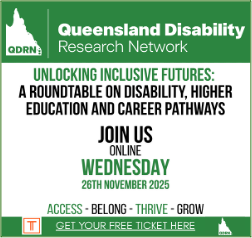
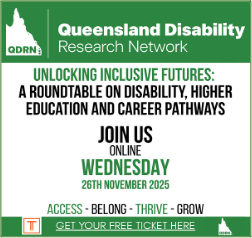
Unlocking Inclusive Futures: A Roundtable on Disability, Higher Education and Career Pathways
The Queensland Disability Research Network (QDRN) invites you to join an important online symposium exploring how we can create more inclusive pathways to higher education and professional careers for students with disability.
This event brings together leaders from universities, government, and the disability sector to share research, lived experience, and practical strategies for building equitable, accessible learning and working environments.
Featured Speakers:
- Prof. Kate Ames – Torrens University
- Dr. Fiona Rillotta – Flinders University
- Mr. Darren Britten - Australian Disability Clearinghouse on Education & Training
- Mr. Aron Mercer – Griffith University
- Prof. Caroline Rueckert – Griffith University
Event Highlights:
- Expert panel discussions and workshops
- Live captioning and Easy to Read materials
- Opportunities to connect with educators, advocates, and policy makers
📅 26th November 2025
🕓 4:00 – 5:30pm AEST
💻 Online Event – Free Registration
Together, we can drive systemic change and strengthen pathways to inclusion across Australia’s tertiary sector.
🔗 Register now: Click Here

-
Two New Ways to Support Wellbeing After Spinal Cord Injury
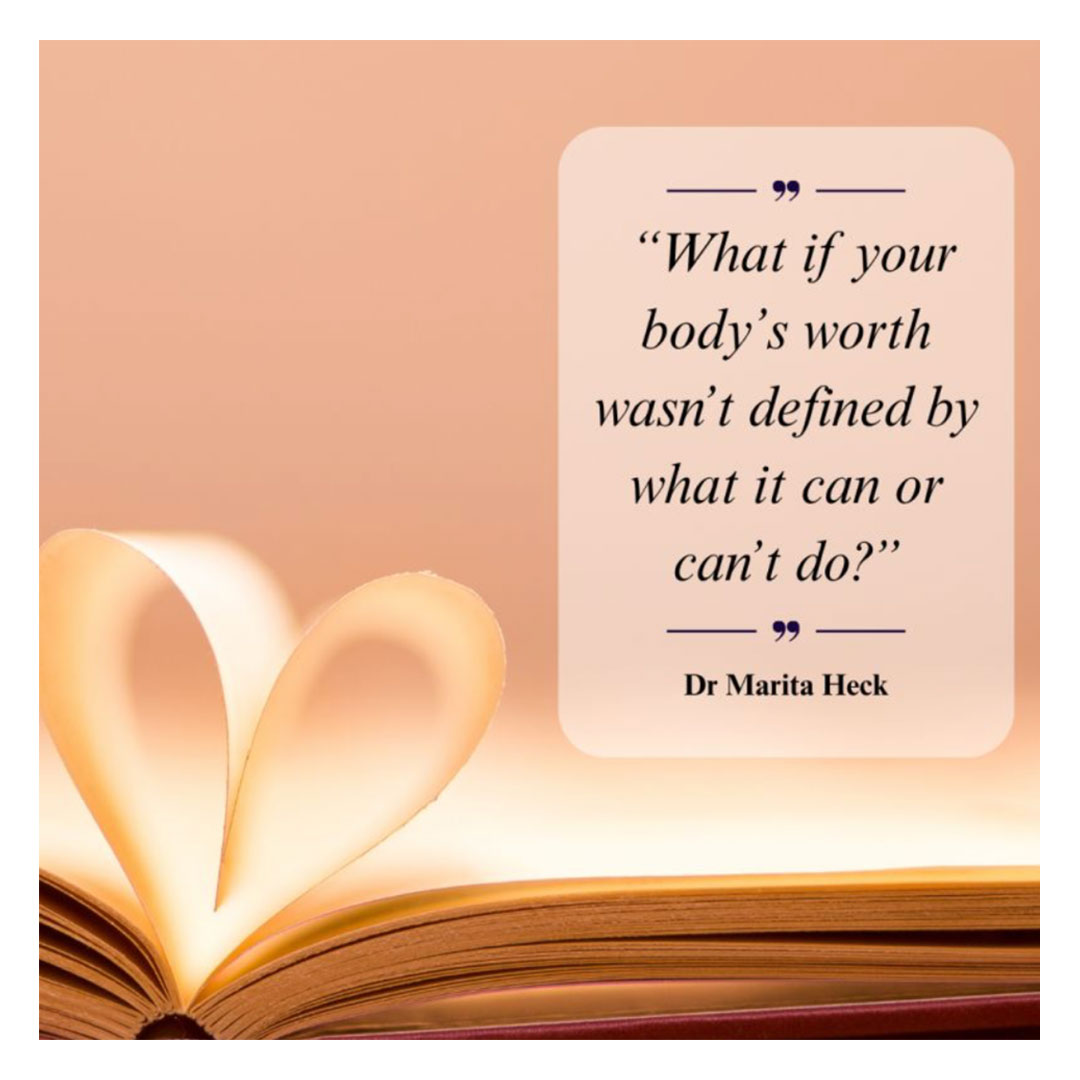
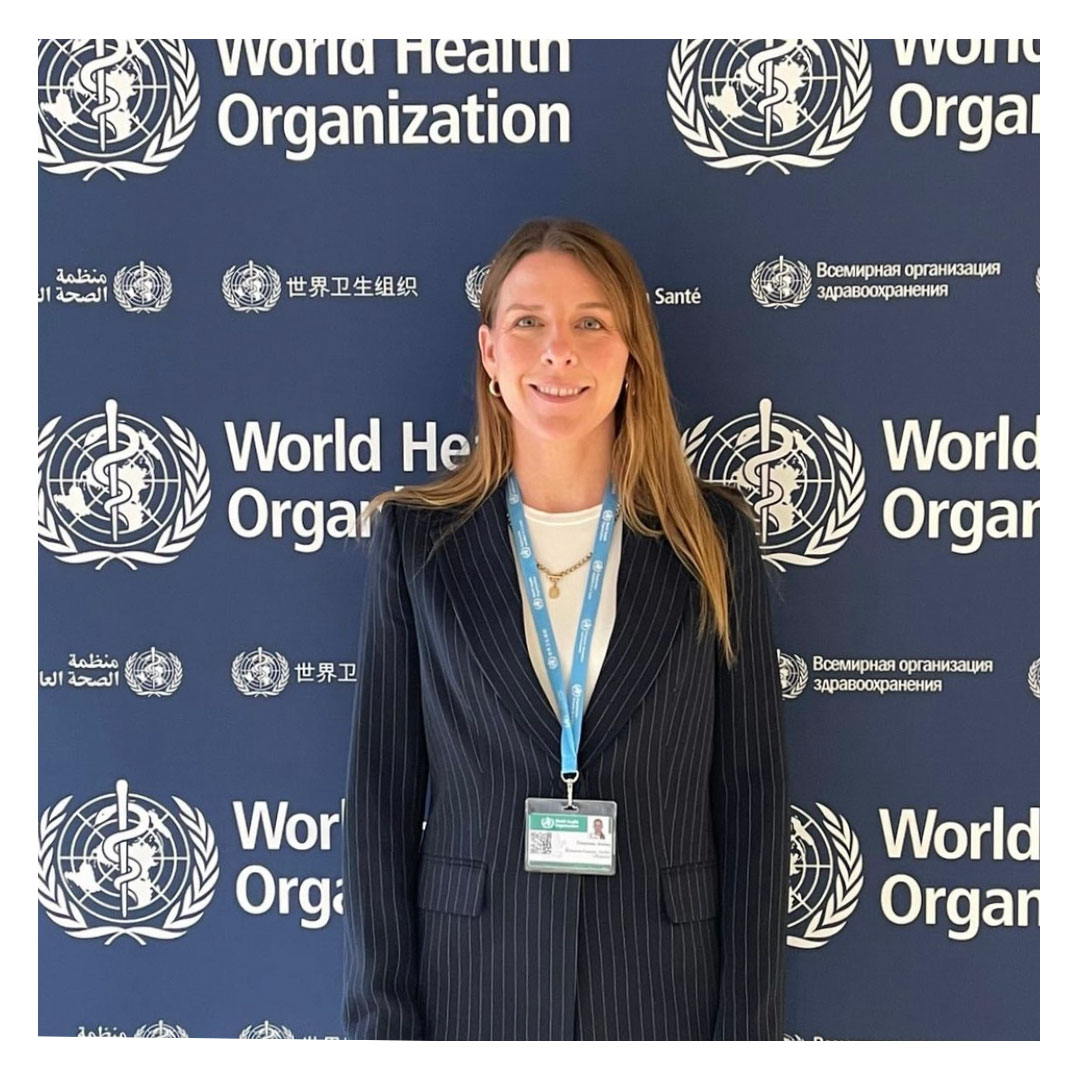
Dr Marita Heck, Adjunct Research Fellow at The Hopkins Centre, has two exciting new contributions aimed at enhancing the lives of people living with spinal cord injury (SCI)—from evidence-based research to practical guidance on intimacy and pleasure.
1. New insights into sexual rehabilitation support after spinal cord injury
In “Sexual rehabilitation support experiences of Australian adults living with a spinal cord injury” (Allen, Heck, Doig, Cudmore, Lawrence & Mason, 2025), the team explored the lived experiences of nine Australian adults (8 men; 1 woman) with spinal cord injury (SCI). Guided by Material–Discursive–Intrapsychic Theory, the study revealed how physical functioning, relational identity and broader disability-stigma discourses combine to shape sexual quality of life after SCI.
Key findings:
- Rehabilitation tends to focus strongly on physical function (e.g., erection, ejaculation) while giving less attention to emotional, relational and identity-aspects of sexuality.
- Participants described loss of autonomy, feelings of shame or stigma, and challenges in partner communication / relational connection as major influences on sexual wellbeing.
- When sexual rehabilitation support attends to emotional connection, personalised equipment and partner-/relationship-oriented goals, outcomes for sexual wellbeing improve.
Why it matters:
- Because sexuality is a fundamental component of wellbeing, addressing it in rehabilitation is critical — yet often under-addressed for people with SCI.
- By broadening support beyond just “physical functioning” to include relational, psychological and identity dimensions, clinicians and services can help people living with SCI experience fuller, more meaningful sexual lives.
Practical tip:
If you work in rehabilitation (or support someone who does), embed a simple “relationship check-in” into the routine: ask “How has your /intimacy /connection changed since the injury?” and then include a follow-up question “What aspect of this would you like to change/restore?” Use that to guide discussion of equipment, partner communication, self-identity and expectations — not just physical sexual function.📄 Citation:
Allen, A., Heck, M., Doig, C., Cudmore, T., Lawrence, K., & Mason, J. (2025). Sexual rehabilitation support experiences of Australian adults living with a spinal cord injury. The Journal of Spinal Cord Medicine, 1–10.
https://doi.org/10.1080/10790268.2025.2496567
2. Exploring Intimacy and Pleasure
Off the back of research findings and clinical work, Dr Heck has also released The Sensuality of Connection: An Erotic Playbook to Intimacy After Spinal Cord Injury, to bridge the gap. Whilst the guide is designed for people living with SCI—it is truly suitable for everyone! This resource encourages exploring connection, intimacy, and pleasure in new, playful ways.- 📘 English edition: Amazon AU link
- 📗 German edition: Sinnlichkeit der Verbundenheit Amazon AU link
Whether you’re a researcher, clinician, or someone interested in living well after SCI, Dr Heck’s latest work offers insights and practical tools to support recovery, wellbeing, and connection.
Get in touch / learn more:
Dr Marita Heck
The Hopkins Centre
marita.heck@griffith.edu.au -
Celebrating our HDR Disability Scholars
Building inclusive research pathways at Griffith University
Education is more than a privilege—it’s a pathway to possibility.
At Inclusive Futures: Reimagining Disability, we’re proud to support Higher Degree by Research (HDR) students with disability to reach their goals and contribute to bold, innovative research that reimagines inclusion in action.
Since launching in 2023, our HDR Disability Scholars Program has grown into a thriving community of ten (10) diverse researchers at different stages of their PhD journeys. The program provides more than just academic support—it builds meaningful connections through peer learning, mentoring, and shared experience in an environment where accessibility and inclusion are built into everything we do.
This thriving community is championed by Professor Rebecca Ford, Dean of the Griffith Graduate Research School, and Dr Lisa Stafford, ARC Future Fellow—both strong advocates and mentors for the Scholars, in addition to their supervisors. Julia Robertson, newly appointed Co-Chair of the Higher Degree Research Candidate Representative Consultant Committee (HDRCRCC)—a sub-committee of the Board of Graduate Research (BGR)—also plays a key role in championing inclusive research pathways and student representation. Together, their leadership and commitment to accessibility and inclusion have been instrumental in creating an environment where our scholars can thrive.
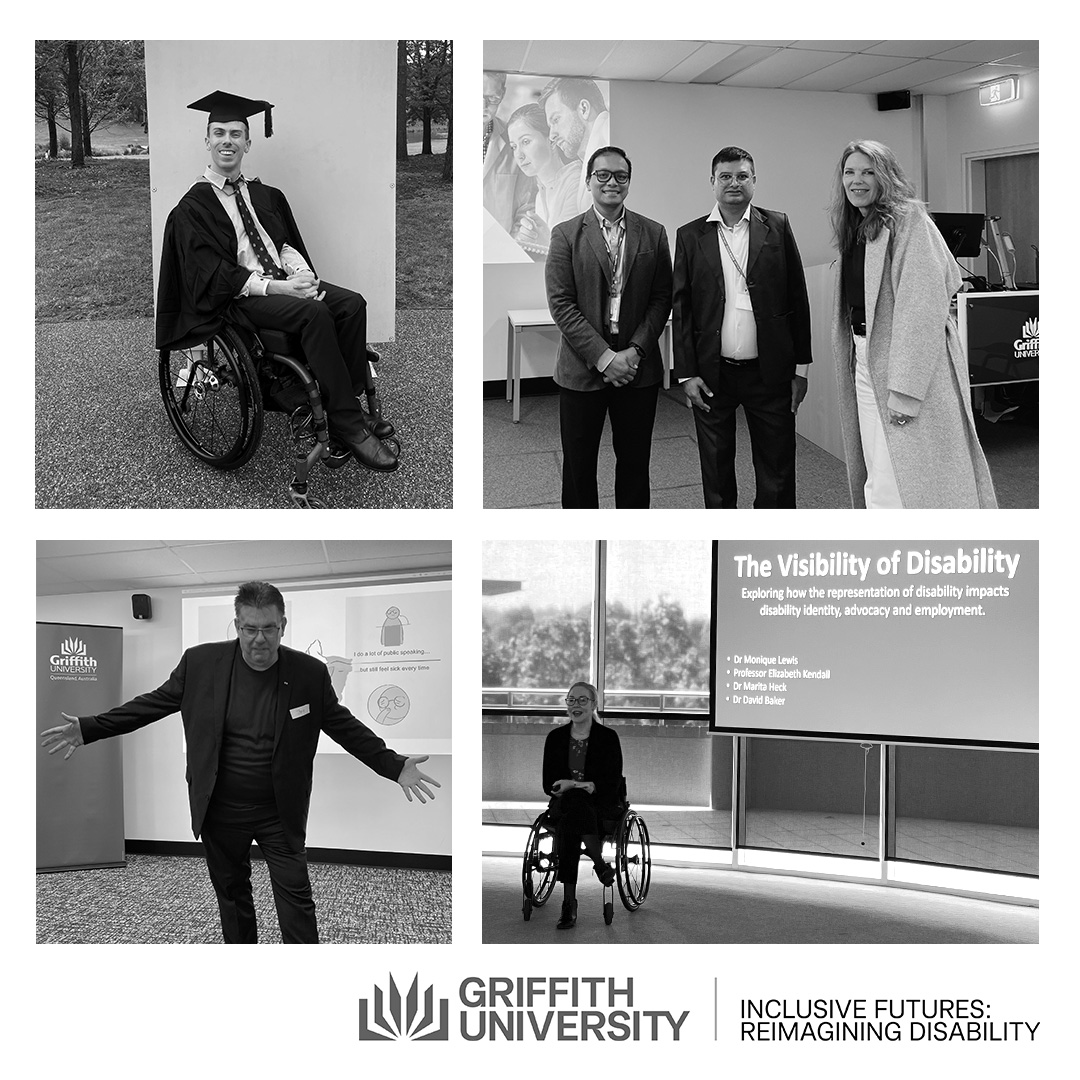
Last week, we celebrated this community at the Disability Scholars Day 2025: A Showcase of Excellence, held at Griffith University’s Logan campus and online. The hybrid event brought together students, supervisors, and researchers for a day of inspiration and connection.
Highlights included milestone presentations from Lisa Cox OAM, Aron Mercer, and Samantha Cronin (Early Career Research Milestones), and Ali Khan (Thesis Confirmation Research Milestone). Their presentations sparked lively discussion and showcased the breadth of disability-focused research being undertaken at Griffith—research that’s challenging assumptions and creating real-world impact. Events like this highlight the incredible progress and potential of our HDR scholars. They remind us that when we design for inclusion, we enable excellence.
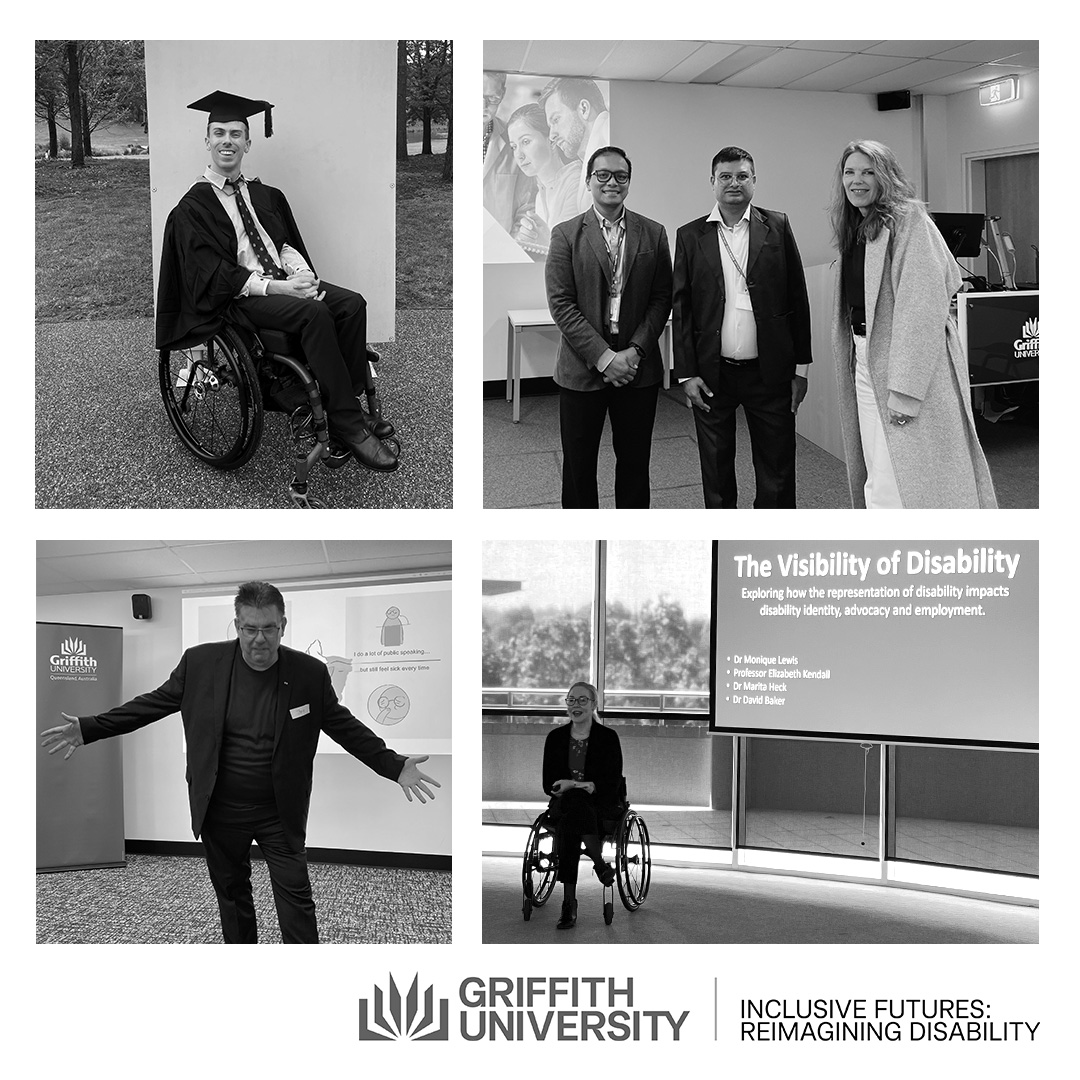
Griffith University HDR Students with Disability (Clockwise from top left) - Daniel Clark; Pallav Pant together with his supervisors Dr Feb Dwirahmadi and Dr Monique Lewis; Lisa Cox; and Jim Hogan. We’re also excited to offer HDR Disability Scholarships for future students. These scholarships provide financial support, research allowances, and flexibility for candidates with a permanent disability who demonstrate exceptional research potential. Multiple scholarships will be available in 2026, with announcements coming at the end of the year. It’s one more way we’re ensuring talented researchers have the opportunity to thrive and lead change.
If you’re a person with disability interested in pursuing higher degree research, we’d love to hear from you. Join a growing network of passionate scholars who are shaping the future of inclusive research.
📩 Contact us: inclusivefutures@griffith.edu.au
🌐 Follow us on LinkedIn, subscribe to our eNews or become a member of our Inclusive Futures community to stay updated on scholarship announcements, research highlights, codesign and citizen science opportunities and upcoming events. -
Inclusive Futures Book Club Wrap-Up: A Conversation with Ken Brandt
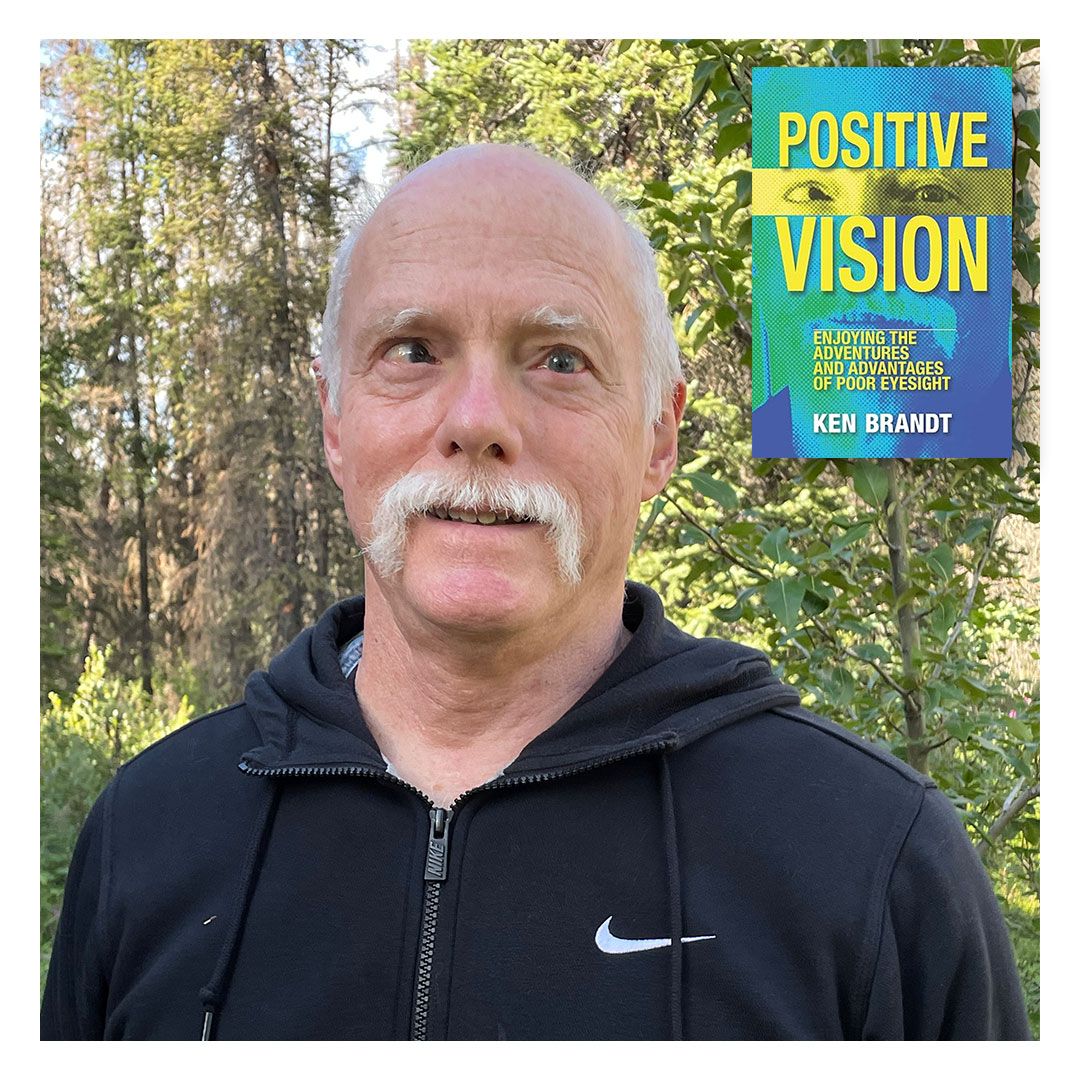
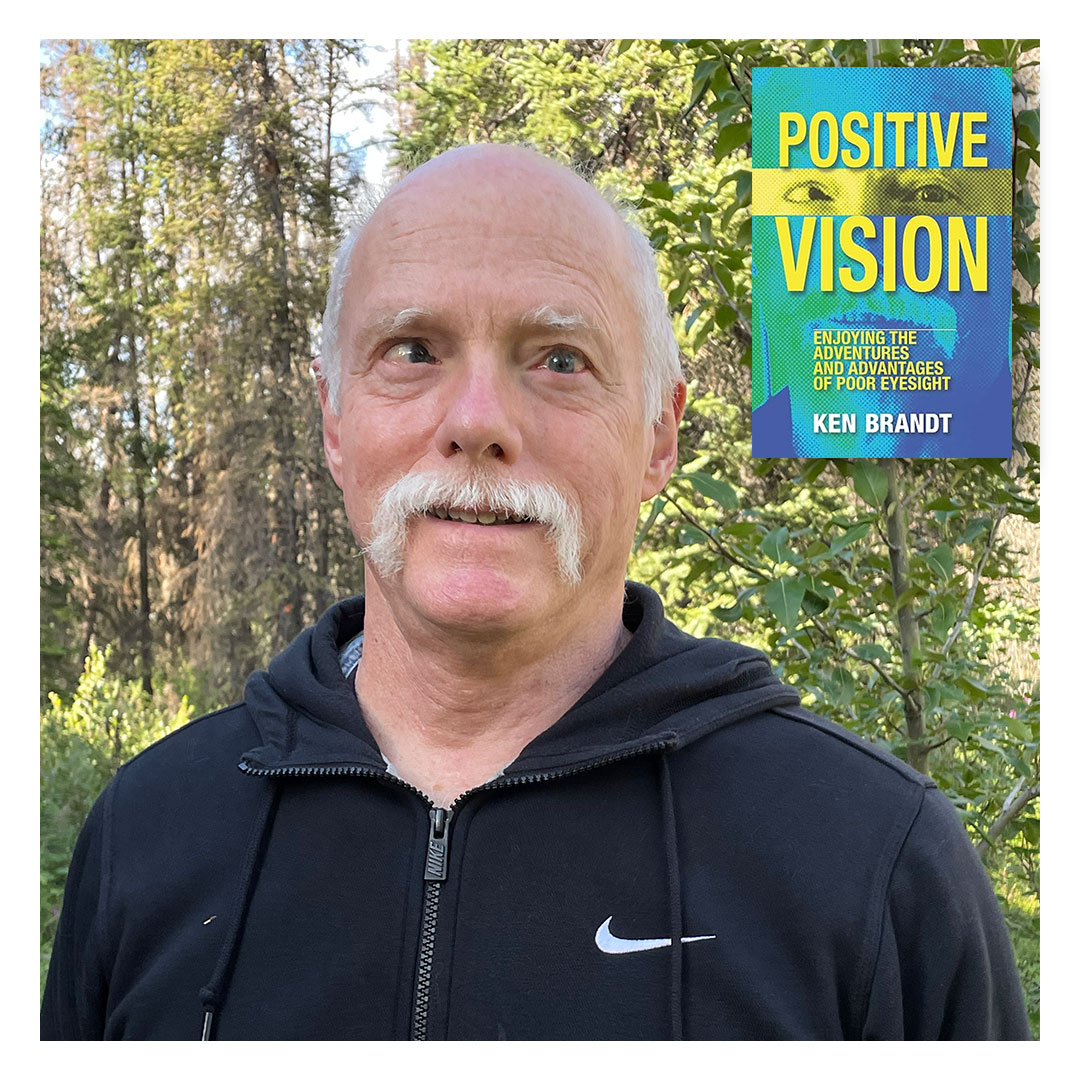
Ken Brandt, author of 'Positive Vision'.It was a delight to host Ken Brandt, author of Positive Vision: Enjoying the Adventure and Advantages of Poor Eyesight, at our recent Inclusive Futures Book Club event.
Ken opened with a powerful reflection on how medical advances at the time of his premature birth allowed him to retain some vision—an outcome shaped by the evolving understanding of oxygen therapy in newborns.
Ken’s story is one of courage, humour, and a zest for life. He shared how his mother’s unwavering support instilled in him an attitude to give anything a go, encouraging him to pursue adventure while being kind to himself when things didn’t go as planned. From learning to parachute to navigating life with low vision, Ken offered a refreshing perspective on how disability can shape, but not limit, one’s experiences.
Attendees were clearly engaged, asking thoughtful questions about community perceptions of disability. Ken responded with insight and warmth, furthering our collective understanding of how embracing diversity leads to a more inclusive world.
Ken’s book Positive Vision is available in hard copy, electronic, and audio formats at many online and physical bookstores. He is also available for public speaking engagements. For more information, visit www.kenbrandt.com.
A heartfelt thank you to Ken for sharing his story and helping us continue the conversation around disability, inclusion, and positive living.
View on YouTube: https://youtu.be/XWfJiHEZFTw?si=fYJWO5Ej9O45n-ca
-
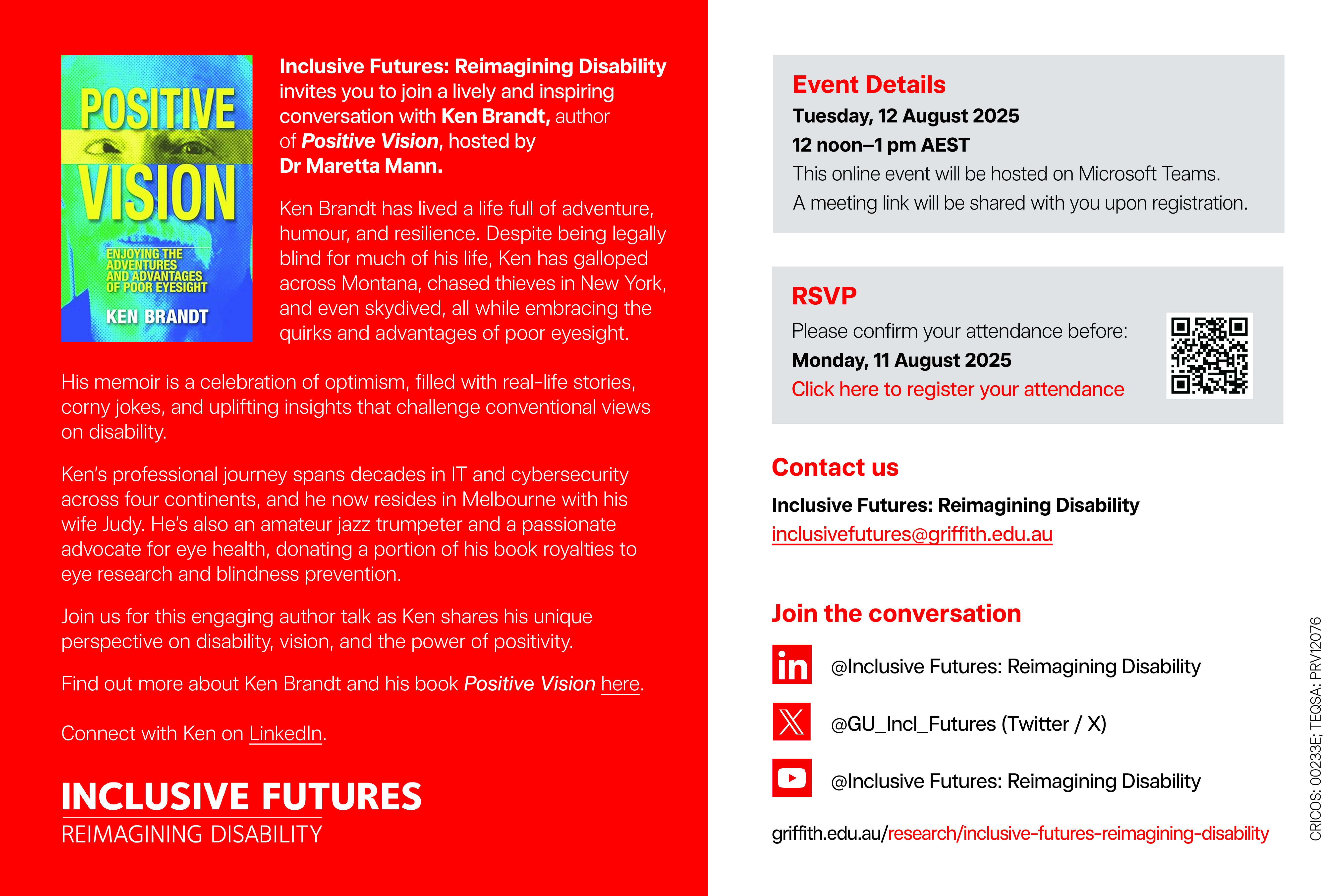
Inclusive Futures Book Club: Ken Brandt author of Positive Vision

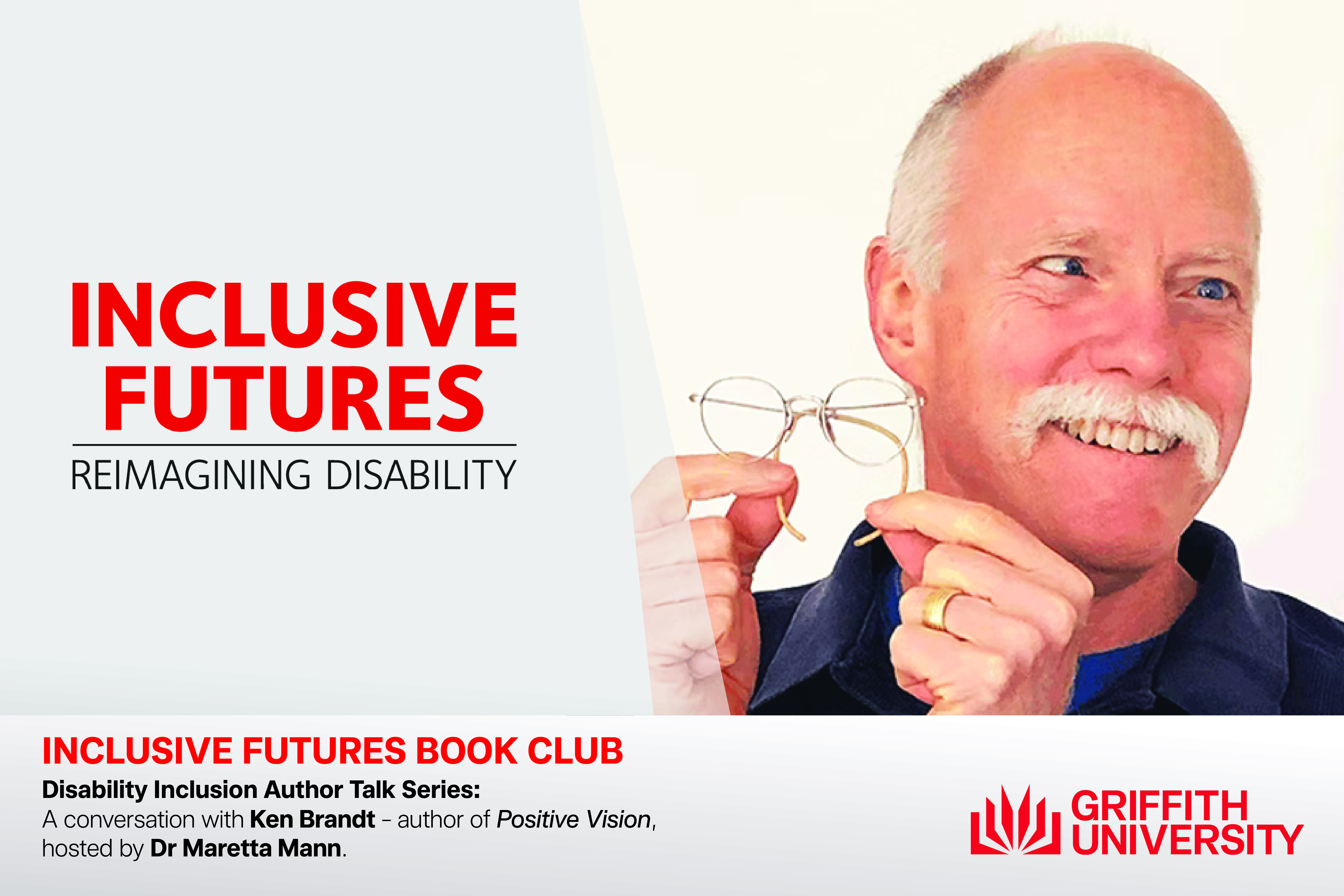
Inclusive Futures: Reimagining Disability invites you to join a lively and inspiring conversation with Ken Brandt, author of Positive Vision, hosted by Dr Maretta Mann.
Ken Brandt has lived a life full of adventure, humour, and resilience. Despite being legally blind for much of his life, Ken has galloped across Montana, chased thieves in New York, and even skydived, all while embracing the quirks and advantages of poor eyesight. His memoir is a celebration of optimism, filled with real-life stories, corny jokes, and uplifting insights that challenge conventional views on disability.
Ken’s professional journey spans decades in IT and cybersecurity across four continents, and he now resides in Melbourne with his wife Judy. He’s also an amateur jazz trumpeter and a passionate advocate for eye health, donating a portion of his book royalties to eye research and blindness prevention.
Join us for this engaging author talk as Ken shares his unique perspective on disability, vision, and the power of positivity.
This event was held on:
Tuesday 12th August 2025, 12:00pm – 1:00pm AEST
Online via Microsoft Teams
View the Recording on YouTube:

-
Five new Inclusive Futures Leadership Scholars
Professor Catherine Marshall never set out to create a global movement, she simply wanted to give all women a fair chance. A renowned advocate for women with disability, particularly those who face the added challenges of poverty, she was driven by a belief that education and leadership opportunities should belong to everyone, not just the privileged few. More than two decades ago, Catherine founded the Women’s International Leadership Institute (WILI) in Arizona to bring opportunities to all women and has been a consistent partner of Inclusive Futures since 2003.
From its humble beginnings, WILI has grown into a transformative force, empowering low-income women to move closer to leadership roles, influence their communities, and challenge systemic barriers. Catherine’s vision was clear: leadership should reflect the diverse voices of the people it serves.
As Catherine prepares to retire from her tireless community work, it is important to reflect on the profound impact WILI has had on women around the world. Over the years, WILI has supported young women through mentorship programs, skills development workshops, and funding to access to education — often providing a lifeline where opportunities were otherwise out of reach. Many of these women have gone on to become powerful advocates, community leaders, and changemakers, reshaping policies and opening doors for others.
Now, in this final chapter, WILI has announced the creation of international scholarships for low-income women with disability to complete leadership training. The scholarships reflect Catherine’s unwavering commitment to dismantling barriers. 'True leadership is built on diverse perspectives,' she said. 'We’re not just empowering women—we’re changing the landscape of leadership itself.' Until we see young women from low-income backgrounds and those with disability in leadership roles, exclusion in our broader society will continue. Education and leadership are the ingredients for change.
Established in partnership with Griffith University’s Inclusive Futures: Reimagining Disability, these WILI-funded scholarships will provide a gateway to online training and mentorship—where the women will learn skills that will position them for leadership roles in future. The program will develop their practical skills and build confidence to return to their communities as powerful agents of change.

Meet our new Inclusive Futures Scholars
These five outstanding women with disability will amplify their impact in future thanks to the WILI Inclusive Futures scholarships – Nerine Williams, Nina Carr, Lizzie Ambrose, Laura Sheenan, and Carmel Larkin—each bringing deep lived experience, expertise, and fierce determination to create more inclusive and just systems.

Nerine Williams is a proud FND (Functional Neurological Disorder) advocate, AT Mentor, and accessibility leader who has dedicated her life to improving the lives of others with complex disability. She is already a strong voice in the disability community, bringing a rare combination of lived expertise and sector insight. She plays key roles with organisations such as QDN, AT Chat, and FND Living. Nerine believes this award will enable her to continue challenging barriers and ensuring that people with disability are not only heard but lead the solutions that affect them.
Nina Carr, a woman with an acquired brain injury, is an independent advocate known for her passionate, uncompromising stance on representation and systemic change. Without organisational backing or a steady income, Nina has carved out a space as a fierce voice for disability justice in Queensland. This award provides critical access to training and networks she otherwise could not access and will help her realise her bold goals. According to Nina, she will not just to have a seat at the table but will redesign the table itself by placing lived experience at the centre of policy, services, and leadership”.
Lizzie Ambrose is proud of having turned personal adversity into purposeful action. Living with epilepsy and a traumatic brain injury, Lizzie has become a leader in inclusive health promotion, co-facilitating a yoga program for people with brain injury, contributing to qualitative research, and sharing her story on national and international stages. Lizzie’s commitment to de-stigmatising neurological conditions and building community is reshaping how society understands epilepsy and disability. She is now using research as a vehicle to bring about change, particularly in how health services are delivered.
Laura Sheenan is a high-level advocate with deep expertise in trauma-informed practice and systems change, particularly in the areas of child protection and mental health. A mother with lived experience of profound grief and resilience, Laura uses her voice to advocate for improved mental health services and systemic support for marginalised families. Her focus on intersectionality ensures that the needs of diverse communities such as First Nations, CALD, LGBTQI+ people with disability are not forgotten.
Carmel Larkin acquired her disability following a medical event in 2021 and has since found herself becoming an unexpected but valued voice in health governance. From returning to work with significant adjustments to contributing to her Health Service’s Disability Plan, Carmel has discovered the power of lived experience in influencing systemic reform. This award will allow her to develop the skills and confidence to step more fully into a leadership role, sharing insights that go beyond her personal story to shape stronger, more inclusive health systems.
These remarkable women exemplify the future of leadership in the disability sector, which should be intersectional, informed, and led by lived experience. With this award, they will be able to amplify their advocacy, challenge injustice, and lead meaningful change in Queensland communities.
As part of their award, the recipients will receive premium membership of the Disability Leadership Institute in Australia. The Disability Leadership Institute (DLI) is dedicated to cultivating and advancing leadership by and for people with disabilities. Founded by outstanding disabled leaders, such as Christina Ryan, the DLI provides a unique platform that offers professional development, peer support, coaching, and networking opportunities tailored specifically for disabled people aspiring to or already in leadership roles. This will be an important opportunity for the WILI Inclusive Futures award winners to develop their skills and meet other leaders.
Christina Ryan, CEO and Founder of Disability Leadership Institute
After her retirement, Catherine’s lifelong dedication to inspire women leaders will continue through the work of these five women. WILI may be closing its doors, but it has created a ripple effect that will enable generations of future women to lead, thrive, and transform their worlds.

-
Voice of Queenslanders with Disability 2025
Help Amplify the Voices of Queenslanders with DisabilityWe are excited to announce that the Voice of Queenslanders with Disability Survey 2025 is now live! This vital research, led by The Dignity Project at Griffith University, provides an opportunity for Queenslanders with disability, their families, carers, and organisations to share their experiences, helping to shape a more inclusive and accessible future.
We are proud to collaborate with Queenslanders with Disability Network (QDN) and the Queensland Government’s Department of Families, Seniors, Disability Services, and Child Safety to ensure that lived experiences are heard and inform future policies and programs.
We would greatly appreciate your support in promoting this survey through your networks. You can help by:
- Taking the survey: https://inclusivefutures.griffith.edu.au/hub-page/vqd
- Sharing the survey via email, newsletters, or your social media channels
- Sharing our social media: https://shorturl.at/0oFD6
- Forwarding this information to any citizen researchers, colleagues, or community members who may be interested
- Encouraging participation in alternate formats or through phone/virtual interviews
Survey closes: Wednesday, 30 April 2025
Accessible and alternate formats are available to ensure everyone has the opportunity to participate.
We appreciate your help in spreading the word so we can reach as many voices as possible. Together, we can work towards a more inclusive Queensland.
For more information, please contact us at inclusivefutures@griffith.edu.au.
Thank you for your support!
Dr Kelsey Chapman
Research Fellow
The Dignity Project
Inclusive Futures: Reimagining Disability -
Exploring Love and Disability: New Research by Dr. Marita Heck
Dr. Marita Heck, Adjunct Research Fellow, The Hopkins CentreDiscover groundbreaking insights into how individuals with disability navigate intimate relationships in Dr. Marita Heck's latest study. As an Adjunct Research Fellow at The Hopkins Centre, Dr. Heck combines her extensive experience as a nurse, midwife, and Sexual Quality of Life Support Clinician to shed light on this important topic. She is also the author of Secret Forces, a compelling novel that delves into the complexities of life after a spinal cord injury.
Read:https://dx.doi.org/10.1037/rep0000573
For more resources and support on sexual well-being for people with disability, visit the Sex Positive Community at https://www.sexpositivecommunity.com.
Join the conversation and help break down barriers surrounding love and disability. Share your thoughts and experiences with us!
Citation:
Ireland, B., Pebdani, R. N., Heck, M., Mudholkar, A., & Verdonck, M. (2024). Sex-positive sexuality post- spinal cord injury: A systematic review and qualitative metasynthesis. Rehabilitation Psychology. Advance online publication. https://dx.doi.org/10.1037/rep0000573More information:
Dr Marita Heck Phd, MMid (RM), BNS (RN)
Adjunt Research Fellow
The Hopkins Centre
Griffith University
marita.heck@griffith.edu.au
https://www.linkedin.com/in/dr-marita-heck-phd-591957310/ -
Empowering Health Communication: Co-Designing with People with Disability

📚 Authors: Dr Kelsey Chapman, Dr Connie Allen, Prof. Elizabeth Kendall AM GAICD
📅 Published: 9 February 2025
📖 Journal: Journal of Health Communication
🔗 DOI: https://doi.org/10.1080/10810730.2025.2462679How can we make health communication truly inclusive? A recent scoping review by Inclusive Futures: Reimagining Disability researchers explores the power of co-designing health initiatives with people with disability—not just for them.
Key Insights:
Inclusive Participation: Engaging people with disabilities from the outset ensures their voices shape accessible, effective health communications.
Diverse Methods: From workshops and focus groups to participatory action research, different co-design approaches foster genuine collaboration.
Enhanced Outcomes: Inclusive approaches improve the quality of health information, empower participants, and build trust in health initiatives.
This research reinforces that co-design isn’t just best practice—it’s essential. When health communication is built with the community, it becomes more impactful, equitable, and transformative.
More Information:
Dr Kelsey Chapman
Inclusive Futures: Reimagining Disability
Griffith University
k.chapman@griffith.edu.auProf. Elizabeth Kendall AM GAICD
e.kendall@griffith.edu.au
-
Exciting Start to 2025 with QDRN!

Happy New Year! We're thrilled to bring you the first Queensland Disability Research Network (QDRN) update for 2025.
A big thank you to everyone who expressed interest in serving on the 2025 QDRN Advisory Group and Sector Stakeholder Committee. Your support drives our mission to foster impactful disability research and inclusive collaboration.
We’re proud to announce the members of these groups, representing diverse expertise and lived experience:
2025 QDRN Advisory Group
- Professor Kate Ames (Torrens University)
- Adjunct Professor Ruth Barker (James Cook University)
- Professor Charlotte Brownlow (University of Southern Queensland)
- Sasha Job (CQUniversity)
- Professor Byron Keating (Queensland University of Technology)
- Professor Elizabeth Kendall (Griffith University)
- Dr. Talitha Kingsmill (QDRN Lead)
- Professor Sean Tweedy (The University of Queensland)
- Adjunct Professor Denise Wood (University of the Sunshine Coast)
2025 QDRN Sector Stakeholder Committee
- Jesse Althaus (Queensland Advocacy for Inclusion - QAI)
- Simon Clough (Queensland Alliance for Mental Health - QAMH)
- Nina Carr, Kate Dufty, Maria O’Hara, Belinda Thompson, Peter Tully, Nerine Williams (Advocates & Citizen Scientists)
- Ewan Filmer (Capricorn Citizen Advocacy)
- Dr. Olivia Gatfield (Autism CRC)
- Katie Grehan (Outback Independent Living Inc.)
The QDRN unites researchers, advocates, and stakeholders to advance inclusive research through quality co-design and collaboration across Queensland universities, government, and community sectors.
Our vision? To improve the lives and participation of people with disability through sustainable, impactful research partnerships.
Stay tuned for updates on our work throughout the year!
To learn more or get involved, reach out to us at qdrn@griffith.edu.au or connect directly with Dr. Talitha Kingsmill at t.kingsmill@griffith.edu.au.
Let’s make 2025 a year of transformative progress for disability inclusion and research.