Meet the Next Generation of Disability and Inclusion Researchers!
The QDRN HDR Candidate Snapshot Series showcases the emerging researchers contributing to Australia’s disability research community and reflects QDRN’s commitment to building research capacity, strengthening connections, and supporting the development and exchange of knowledge across the disability and inclusion research sector.
Each snapshot profiles a Higher Degree by Research (HDR) candidate, highlighting their research journey, areas of inquiry, methodological approaches, and the knowledge they are generating. By creating greater visibility for emerging researchers and their work, the series provides an opportunity to share diverse perspectives, foster connections across research and practice, and support the next generation of disability and inclusion researchers.
Through the series, QDRN aims to amplify emerging scholarship and demonstrate how HDR research can contribute to evidence-informed practice and policy, more inclusive communities, and improved outcomes for people with disability.
The HDR Candidate Snapshot series is part of QDRN’s broader commitment to strengthening the disability and inclusion research ecosystem by connecting researchers, facilitating knowledge exchange, and supporting research that is relevant, rigorous, inclusive, and responsive to the priorities and experiences of people with disability. We’re always looking to showcase the diverse and inspiring research happening across Queensland.
To read a plain language summary of each HDR Candidate Snapshot, please see the column to the right.
You can access more information about the HDR Candidate Snapshot Series on the right-hand side of this page.
If you would like to nominate an emerging researcher to be featured in a future HDR Snapshot, please get in touch with QDRN via email at qdrn@griffith.edu.au
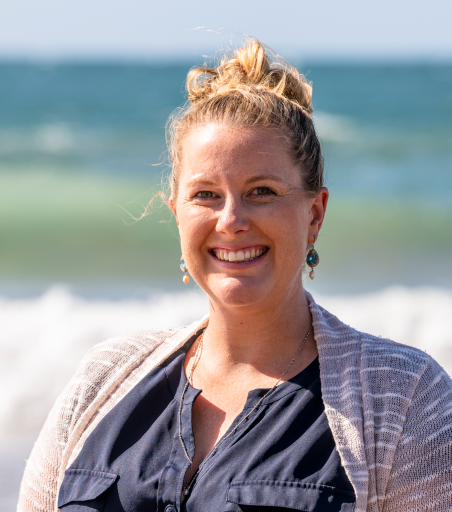 Ms. Sasha Job
Doctorate of Philosophy -CQUniversity
Sasha Job is a physiotherapist, lecturer in neurological physiotherapy, PhD candidate at CQUniversity and QDRN Advisory Group member, with professional and academic experience spanning disability, neurological, pediatric, cardiorespiratory and community physiotherapy. Her work is grounded in a strong commitment to accessibility, inclusion and improving health and wellbeing outcomes for people with disability.
Sasha’s research focuses on the relationship between disability, physical activity, accessibility and participation in natural environments, with a particular interest in improving access to beaches and other blue and green spaces. Her doctoral research, Universal Beach Accessibility Hub (U-BEACH), explores how environmental, social and service-related factors influence participation in beach-based recreation, physical activity and therapeutic programs for people with disability.
Her research program adopts a collaborative and community-engaged approach, working alongside people with disability, families, health professionals, community organisations, and local governments to identify barriers and develop practical solutions that enhance accessibility and inclusion. Her published research has examined the barriers and facilitators to beach accessibility for older people and people with disability, highlighting the importance of understanding accessibility not only in terms of physical infrastructure, but also through the experiences and participation needs of the people who use these environments.
Through her research and professional practice, Sasha aims to contribute to more inclusive and accessible natural environments, supporting opportunities for people with disability to participate in physical activity, connect with nature, foster social inclusion and experience the associated physical, psychological and social benefits. Her work exemplifies the role of disability research in translating evidence into practical change, bringing together clinical expertise, research, community engagement and advocacy to address barriers to participation and promote more inclusive communities.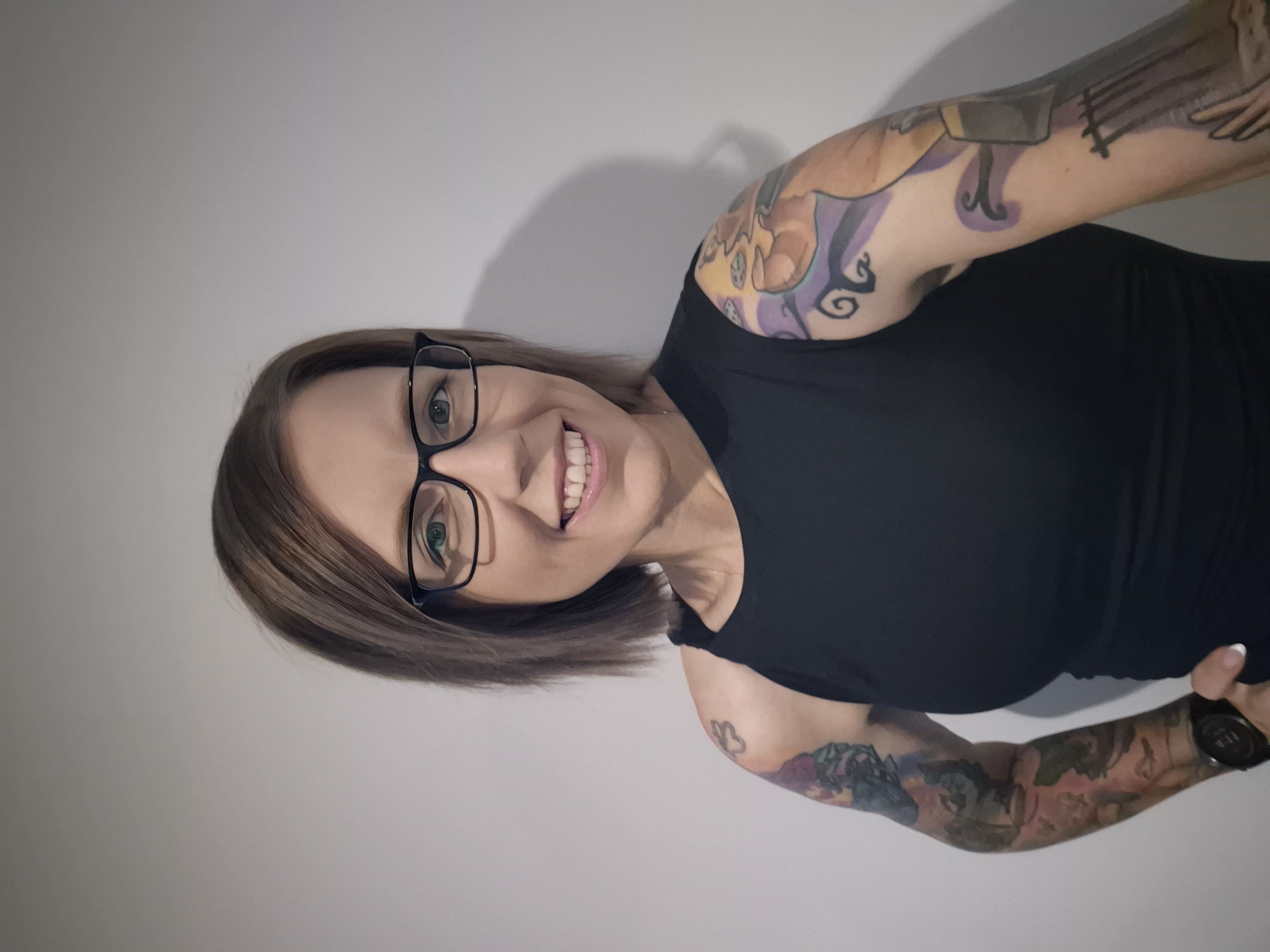
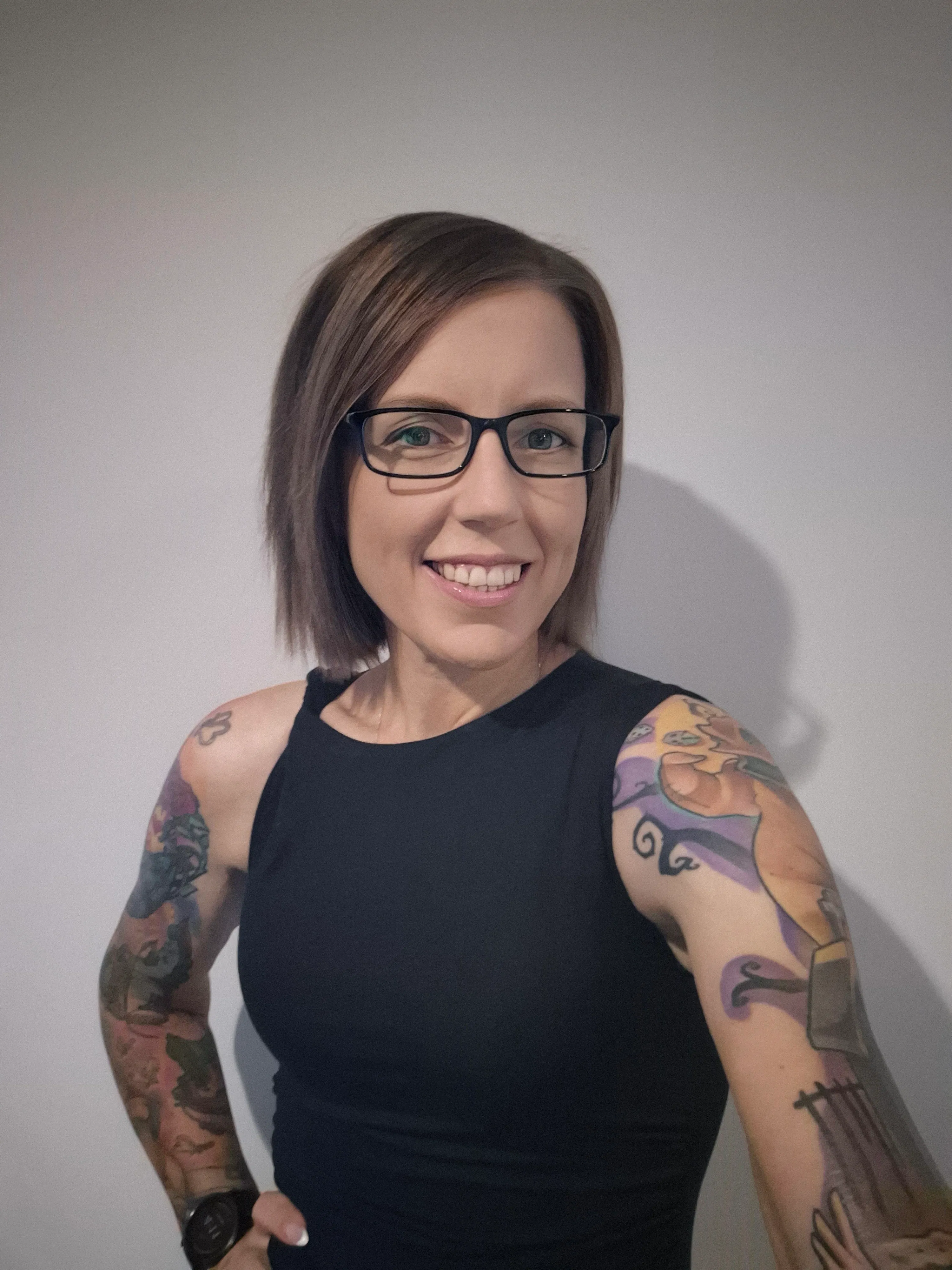
Ms. Samantha Lumsden BSW (Hons)
Doctorate of Philosophy - Griffith University
Samantha Lumsden is a neurodivergent Military Social Worker, sessional lecturer at Griffith University, and Research Assistant with the Queensland Disability Research Network (QDRN). Her academic and professional work sits at the intersection of disability research, neurodiversity, military and veteran health, and the translation of research evidence into practice.
Samantha was awarded First-Class Honours for her research examining the experiences of Australian Defence Force spouses supporting veterans during the transition from military to civilian life. Building on this work, her PhD research, Neurodiversity in Australian Defence Force (ADF) Medical Transitions, explores the experiences and support needs of neurodivergent ADF Veterans and the medical transition process.
Using a constructionist grounded theory approach, Samantha's research seeks to develop an understanding of how neurodivergence intersects with medical transition within military and civilian systems. The research aims to identify opportunities to strengthen inclusion, accessibility, psychological safety and person-centred approaches across transition and healthcare pathways.
Through this work, Samanta seeks to contribute to a more nuanced understanding of neurodiversity within military and veteran contexts and to support the development of evidence-informed approaches that better recognise and respond to the diverse experiences of personnel transitioning from military service.
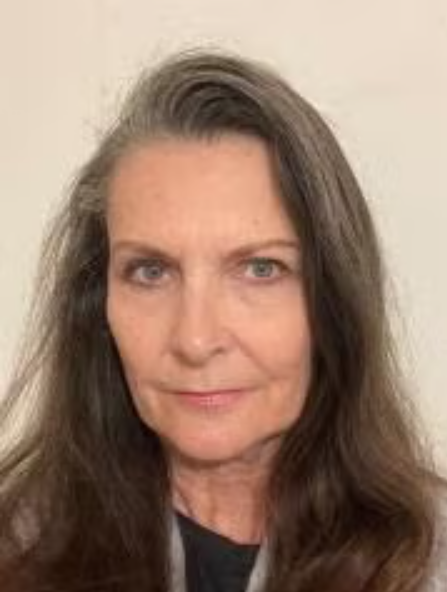
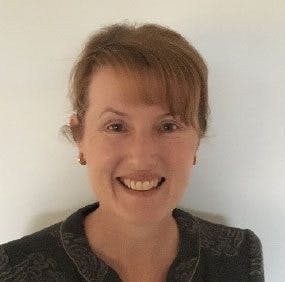
Ms. Patricia O'Loghlen BSW
Doctorate of Philosophy - The University of Queensland
Patricia O’Loghlen is a clinical social worker with eight years’ experience across community mental health and prison mental health settings in far north and southern Queensland. Her clinical practice has centred on supporting people experiencing psychosocial disability, with a particular interest in the intersection of mental health, disability, social circumstances, and access to appropriate supports and services.
Drawing on her clinical experience, Patricia’s research, Exploring the Perspectives of People with Disability on the Mental Health Impacts of Extreme Weather Events, examines the intersection of disability, mental health, environmental change, and social inequity. Her research seeks to develop a deeper understanding of the lived experiences and perspectives of people with disability during and following extreme weather events, with particular attention to the mental health impacts of these experiences and the factors that may support individual and community resilience. The research theoretical underpinnings sit within a constructionist paradigm, informed by a relativist ontology and a social constructionist epistemology.
Through this work, Patricia aims to contribute to a stronger understanding of how extreme weather events may affect people with disability and to inform more inclusive, accessible and responsive approaches to disaster preparedness, mental health support and community resilience. Her research highlights the importance of centring the experiences and perspectives of people with disability in developing responses to an increasingly complex environmental and social landscape.
The QDRN works in partnership with industry stakeholders, Government Departments, Queensland peak disability organisations and people with disability to ensure that our research remains relevant and responsive to the needs of the disability community. We emphasize the use of effective, meaningful co-design methods to engage with those directly impacted by our research. The QDRN aims to showcase the outstanding and impactful disability and inclusion research taking place across Queensland.
Disclaimer: The QDRN has utilised generative AI to refine the wording of this plain language summary. All content has been checked for accuracy, appropriate tone, and clarity and approved by the HDR Candidate.
Meet the Next Generation of Disability and Inclusion Researchers!
The QDRN HDR Candidate Snapshot Series showcases the emerging researchers contributing to Australia’s disability research community and reflects QDRN’s commitment to building research capacity, strengthening connections, and supporting the development and exchange of knowledge across the disability and inclusion research sector.
Each snapshot profiles a Higher Degree by Research (HDR) candidate, highlighting their research journey, areas of inquiry, methodological approaches, and the knowledge they are generating. By creating greater visibility for emerging researchers and their work, the series provides an opportunity to share diverse perspectives, foster connections across research and practice, and support the next generation of disability and inclusion researchers.
Through the series, QDRN aims to amplify emerging scholarship and demonstrate how HDR research can contribute to evidence-informed practice and policy, more inclusive communities, and improved outcomes for people with disability.
The HDR Candidate Snapshot series is part of QDRN’s broader commitment to strengthening the disability and inclusion research ecosystem by connecting researchers, facilitating knowledge exchange, and supporting research that is relevant, rigorous, inclusive, and responsive to the priorities and experiences of people with disability. We’re always looking to showcase the diverse and inspiring research happening across Queensland.
To read a plain language summary of each HDR Candidate Snapshot, please see the column to the right.
You can access more information about the HDR Candidate Snapshot Series on the right-hand side of this page.
If you would like to nominate an emerging researcher to be featured in a future HDR Snapshot, please get in touch with QDRN via email at qdrn@griffith.edu.au
Ms. Sasha Job
Doctorate of Philosophy -CQUniversity
Sasha Job is a physiotherapist, lecturer in neurological physiotherapy, PhD candidate at CQUniversity and QDRN Advisory Group member, with professional and academic experience spanning disability, neurological, pediatric, cardiorespiratory and community physiotherapy. Her work is grounded in a strong commitment to accessibility, inclusion and improving health and wellbeing outcomes for people with disability.
Sasha’s research focuses on the relationship between disability, physical activity, accessibility and participation in natural environments, with a particular interest in improving access to beaches and other blue and green spaces. Her doctoral research, Universal Beach Accessibility Hub (U-BEACH), explores how environmental, social and service-related factors influence participation in beach-based recreation, physical activity and therapeutic programs for people with disability.
Her research program adopts a collaborative and community-engaged approach, working alongside people with disability, families, health professionals, community organisations, and local governments to identify barriers and develop practical solutions that enhance accessibility and inclusion. Her published research has examined the barriers and facilitators to beach accessibility for older people and people with disability, highlighting the importance of understanding accessibility not only in terms of physical infrastructure, but also through the experiences and participation needs of the people who use these environments.
Through her research and professional practice, Sasha aims to contribute to more inclusive and accessible natural environments, supporting opportunities for people with disability to participate in physical activity, connect with nature, foster social inclusion and experience the associated physical, psychological and social benefits. Her work exemplifies the role of disability research in translating evidence into practical change, bringing together clinical expertise, research, community engagement and advocacy to address barriers to participation and promote more inclusive communities. Ms. Samantha Lumsden BSW (Hons)
Doctorate of Philosophy - Griffith University
Samantha Lumsden is a neurodivergent Military Social Worker, sessional lecturer at Griffith University, and Research Assistant with the Queensland Disability Research Network (QDRN). Her academic and professional work sits at the intersection of disability research, neurodiversity, military and veteran health, and the translation of research evidence into practice.
Samantha was awarded First-Class Honours for her research examining the experiences of Australian Defence Force spouses supporting veterans during the transition from military to civilian life. Building on this work, her PhD research, Neurodiversity in Australian Defence Force (ADF) Medical Transitions, explores the experiences and support needs of neurodivergent ADF Veterans and the medical transition process.
Using a constructionist grounded theory approach, Samantha's research seeks to develop an understanding of how neurodivergence intersects with medical transition within military and civilian systems. The research aims to identify opportunities to strengthen inclusion, accessibility, psychological safety and person-centred approaches across transition and healthcare pathways.
Through this work, Samanta seeks to contribute to a more nuanced understanding of neurodiversity within military and veteran contexts and to support the development of evidence-informed approaches that better recognise and respond to the diverse experiences of personnel transitioning from military service.
Ms. Patricia O'Loghlen BSW
Doctorate of Philosophy - The University of Queensland
Patricia O’Loghlen is a clinical social worker with eight years’ experience across community mental health and prison mental health settings in far north and southern Queensland. Her clinical practice has centred on supporting people experiencing psychosocial disability, with a particular interest in the intersection of mental health, disability, social circumstances, and access to appropriate supports and services.
Drawing on her clinical experience, Patricia’s research, Exploring the Perspectives of People with Disability on the Mental Health Impacts of Extreme Weather Events, examines the intersection of disability, mental health, environmental change, and social inequity. Her research seeks to develop a deeper understanding of the lived experiences and perspectives of people with disability during and following extreme weather events, with particular attention to the mental health impacts of these experiences and the factors that may support individual and community resilience. The research theoretical underpinnings sit within a constructionist paradigm, informed by a relativist ontology and a social constructionist epistemology.
Through this work, Patricia aims to contribute to a stronger understanding of how extreme weather events may affect people with disability and to inform more inclusive, accessible and responsive approaches to disaster preparedness, mental health support and community resilience. Her research highlights the importance of centring the experiences and perspectives of people with disability in developing responses to an increasingly complex environmental and social landscape.
The QDRN works in partnership with industry stakeholders, Government Departments, Queensland peak disability organisations and people with disability to ensure that our research remains relevant and responsive to the needs of the disability community. We emphasize the use of effective, meaningful co-design methods to engage with those directly impacted by our research. The QDRN aims to showcase the outstanding and impactful disability and inclusion research taking place across Queensland.
Disclaimer: The QDRN has utilised generative AI to refine the wording of this plain language summary. All content has been checked for accuracy, appropriate tone, and clarity and approved by the HDR Candidate.