A Narrative Review of Inclusive Research Practices
Share A Narrative Review of Inclusive Research Practices on Facebook
Share A Narrative Review of Inclusive Research Practices on X (formerly Twitter)
Share A Narrative Review of Inclusive Research Practices on Linkedin
Email A Narrative Review of Inclusive Research Practices link
First published online 06 April 2026.
Why this study was done
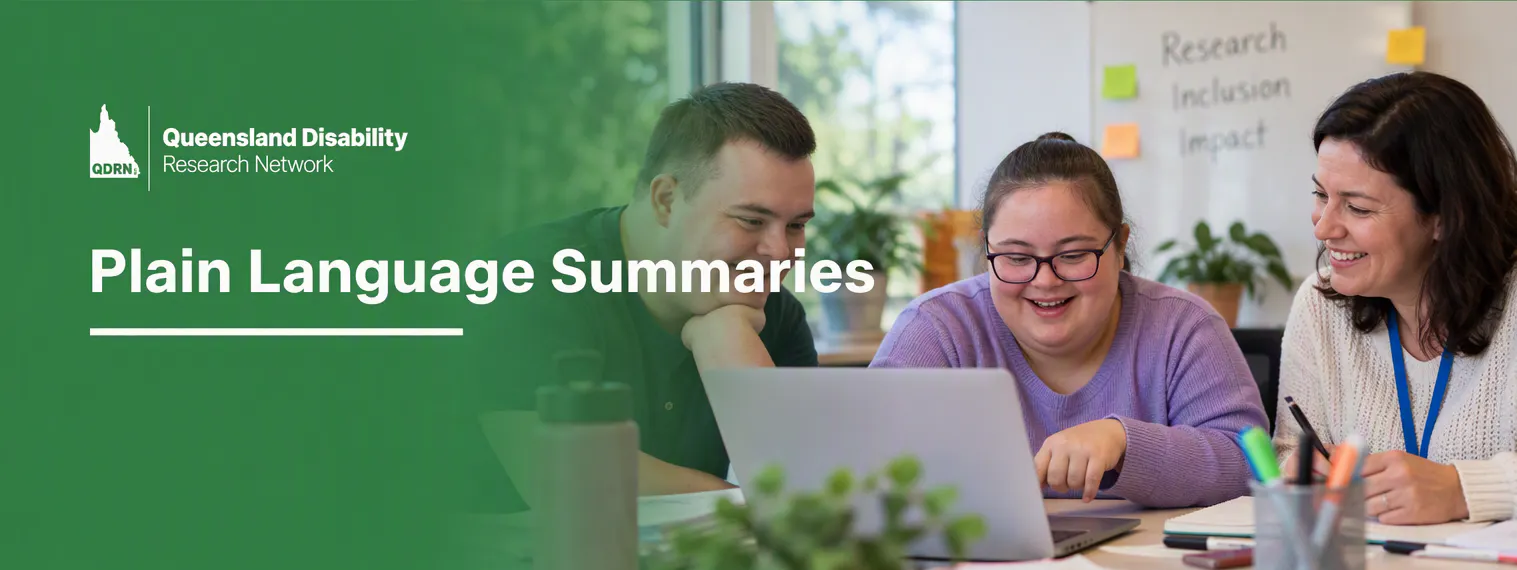
People with intellectual disability have often been involved in research as participants rather than as active partners. Inclusive research aims to change this by working alongside people with lived experience throughout the research process. This review was conducted to explore what makes inclusive research effective, identify common challenges, and highlight practical approaches that support meaningful collaboration between researchers and people with intellectual disability.
What the study did
The researchers completed a narrative review of published literature on inclusive research practices involving people with intellectual disability. They examined studies that described how people with lived experience contributed to different stages of research, including developing research questions, collecting and analysing data, and sharing findings. The review also explored the supports, barriers and conditions that influence successful inclusive research.
What the study found
The review found that inclusive research produces more relevant, meaningful and impactful outcomes because it draws on the knowledge and experiences of people with intellectual disability. Successful partnerships were built on trust, shared decision-making, accessible communication and ongoing support. Researchers also identified barriers, including limited funding, inflexible research processes, inaccessible information and traditional research practices that can restrict meaningful involvement. The review emphasises that genuine inclusion requires more than consultation; it involves sharing power and recognising the expertise of people with lived experience.
What this means
This review shows that inclusive research can improve both the quality of research and the relevance of its findings. When people with intellectual disability are supported to contribute as equal partners, research is more likely to address real-world priorities and lead to positive change. Researchers, universities, funding bodies and organisations can use these findings to create more accessible, respectful and collaborative research practices. Strengthening inclusive research helps ensure that people with intellectual disability have a meaningful voice in research that affects their lives and communities.
This study was conducted by: Dr. Morag Kelly, Professor Gisselle Gallego, Dr Sian Anderson, Professor Julian Trollor and Associate Professor Mary-Ann O’Donovan.
To read the full article, visit the journal.
For other accessible formats, please see the column to the right.
Disclaimer: The QDRN has utilised generative AI to refine the wording of this plain language summary. All content has been checked for accuracy, appropriate tone, and clarity and approved by the author.

